

COVER

Who is ChocQuibTown?

Text: Richard Emblin | Photographs: Salvatore Salamone


Goyo, Tostao and Slow are putting the Pacific on the map. With their jazzy blend of rhytmn and rap, they are singing to the world about the wonders of Choc Quib Town.

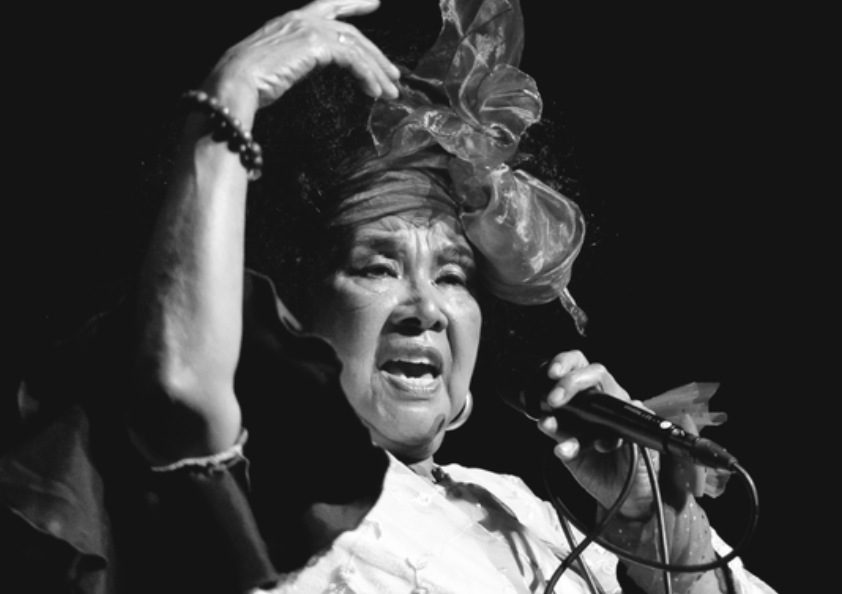
It took just a few beats from their hit single “Somos Pacifico” to have the Generals, politicians and VIPs up in arms: celebrating that is, waving fists towards the stage in an ebb and flow and jostling for space on a crowded dance floor. On a cold night in the Colombian capital, Choc Quib Town, the star line up at a private function with vocalists Slow, Goyo and Tostao at the helm were doing what they do best: singing to a full house.

And the word is out: Choc Quib Town is the hottest band to emerge in recent years from Colombia, captivating audiences with their original blend of hip-hop, salsa and marimba (rural Pacific rhythms). This fusion of sound is a cultural and political statement from a group whose roots originate deep in the Colombian Pacific - the Chocó - and a department of African traditions.

The capital of Chocó, Quibdo, is the gateway to the immense beauty of rainforests, the Atrato river with its quiet estuaries and remote hamlets; but it is also a city steeped in corruption where gain comes often at the expense of others: through exploitation, the encroaching jungle a frontier for mining speculation and smuggling. Quibdo is a magnet of local industry but also of humanity on the run, many forced to live in slums, displaced by the violence from an ongoing conflict between guerillas and paramilitaries. Hence, the hit single: “Somos Pacifico”. It’s a cry for peace and a reaffirmation of identity.

But Quibdo, like the band is also about the barrio, the timber and tin shanties where music reigns and is an essential part of daily life. “Music is our common language,” claims singer and songwriter, “Slow.”

Despite the violence that has engulfed the Chocó during the 80s and 90s, Goyo, Tostao and Slow recall a happy childhood playing basketball and vinyls. Tostao’s father, Miguel Moreno, accumulated a music collection of over 500 LPs and known as “El Conde,” would play DJ in the neighborhoods, thanks to his loud speakers and capacity to get his hands on the latest chart tracks from the U.S. When The Count wasn’t playing Michael Jackson, Tostao was, learning the lyrics and chord sequences. “I lived between the music and the land,” he recalls.

Immersion in music for the three band members began at an early age. For Tostao it came with his father fixing stereos and everyday life in Quibdo. As part of the annual religious festivities to San Pablo, patron saint of Quibdo and many rural villages in the department, Tostao found his voice singing in street parades and traditional music ensembles. For Goyo and Slow - brother and sister from Condoto - music seemed as natural as fishing in the San Juan river, diving into its warm currents and watching miners pan for gold. With the gold prospectors came the sounds of other coastal music, the vallento and cumbia.  

But there is a greater force behind the music of Chocquibtown. Besides its strong percussions and up-beat melodies, there is a voice – or three - that sings of social realities and tries to question the stereotypes of a region, a city and a people who throughout centuries have contributed much to the development and cultural richness that is Colombia: the Pacific peoples. Chocquibtown therefore is not a place on any map but a state of identity, and one, which the band members are taking to the four corners of the globe. “Maybe one day” remarks Tostao, “the Choco will be as known as 42nd Street.”

The road out of the Chocó for the band began when Tostao wanted to create in Cali an association of young rappers who had talent yet needed guidance. Teaming up with childhood friends Goyo and Slow, the three managed to get their hands on a computer and started arranging their first tracks. The historic influence of salsa in Cali and a “big band” sound inspired them musically, but theirs was to be a different musical approach, one where Pacific instruments would fuse with digital technology and the influence of 90s rappers such as Snoop Dog and Tupac, breaking the mold that regional music wasn’t just about folk and festivals. 

Strong musical production and powerful lyrics worked in favour of Chocquibtown. “Slow” learned how to mix his fast beats on a P.C and Goyo and Tostao put togther the final lyrics and melodies. Gone was the age of stereo, but for Chocquibtown, stereotypes remained. As black artists they knew, that they needed a larger following than the one Cali could provide, so they took an important decision to move to Bogotá and work with local musicians in the capital who could appreciate their knowledge of traditional Pacific music and the fact that they came from the Chocó: a region which for many commands respect.

Bogotá proved to be a good start for the band and after winning the local Hip Hop al Parque in 1994, the three members of Chocquibtown used the grant from the Mayoralty to head into the recording studio and cut their first demo. But besides embarking only on a musical career, Pedro Moreno (Tostao), Gloria Martinez (Goyo) and brother Miguel (Slow) finished their degrees. Gloria holds a Psychology degree from the Iberoamerican University,  Pedro is a Social Communicator from the Central and Slow studies audio production at a technical institute. “For the people of the Pacific, it is very important that one studies,” claims Goyo.

The three musical musketeers have consolidated a friendship results in a common creative vision.  Not unlike Tostao, Goyo, has also been dancing ever since she wasa young girl. “I was thrust into the local contests at age of five” she recalls. We dressed in colorful outfits embroidered with stars”. As a shape of things to come, Maria Martinez is now a rising star on the international music circuit, and accompanied with her brother Miguel and Pedro, the three make it a point to perform in the Choco. They sing to sold-out soccer stadiums across the department and Tostao was named Person of the Year for the Choco in 2009: a distinction he takes seriously, as it is uncommon for a musician to get named for this status over powerful politicians and power brokers. Goyo and Slow are honorary citizens of their hometown, Condoto.

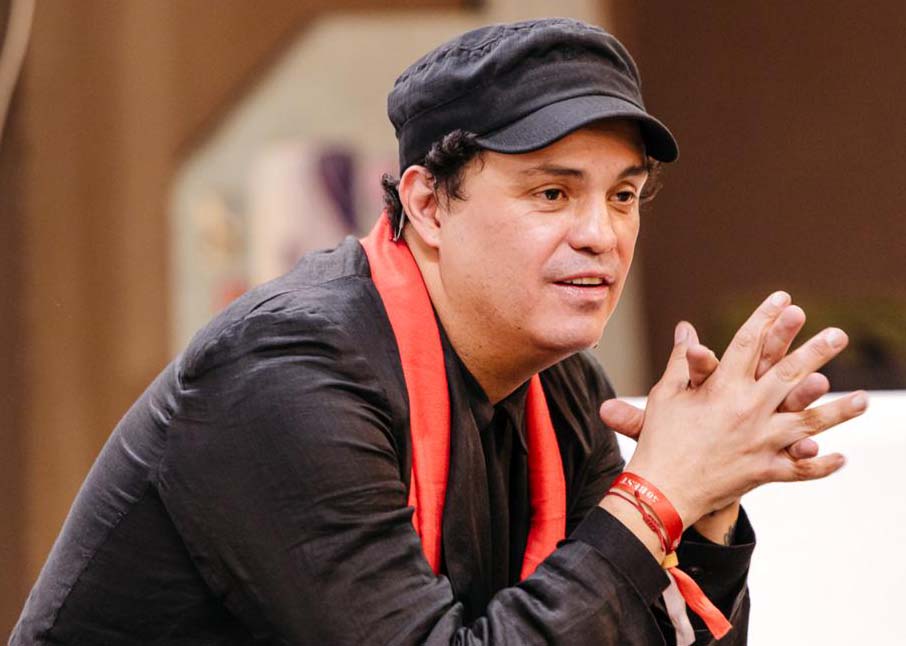
With the release of their first album “Somos Pacfico” came string of hit singles and beautifully shot videos. Filmed on location in the gold mines of Condoto and the streets of Quibdo, Chocquibtown, started getting more time on the airwaves. While Colombian music abroad was associated with Shakira and Juanes, this Pacific band started raising eyebrows with concert managers who wanted to book them for larger international audiences. Last year, the trio hit venues from London to Copenhague and Warsaw. Being on the road and performing in almost every European capital was satisfying, yet for Tostao, it didn’t give him time to take in the sights. “I have played in the world, but I don’t know anything” he says, flashing a handsome smile during a recent photo shoot.

The nomination of a Latin Grammy for “Somos Pacifico” gave Choc Quib Town the momentum to keep rapping. Wherever they performed, audiences seemed to marvel at their rhythms and understand the essential message. Taking a line from the hit single:  “Colombia is more than coca, marihuana and coffee.”  And when it comes to the Chocó, emcees Tostao, Goyo and Slow are its great defenders. “I always try to say something positive,” remarks Tostao.

And the positive has begun to rub-off on new fans with the release last month of  their latest work “Oro”. Singing about the gold rush National Geographic has already named it one of the twelve best albums to watch for in 2010. Their single Cha Cha Cha is steadily climbing charts stateside and several radio stations in Seattle and Virginia have given it top spot.

“Oro” promises to bring in the gold for Choc Quib Town during award season. It seems natural as the Chocó is home to thousands of stamp mills and small-time miners. It’s music that’s very close to home. Our home. The one that called Choc Quib Town.